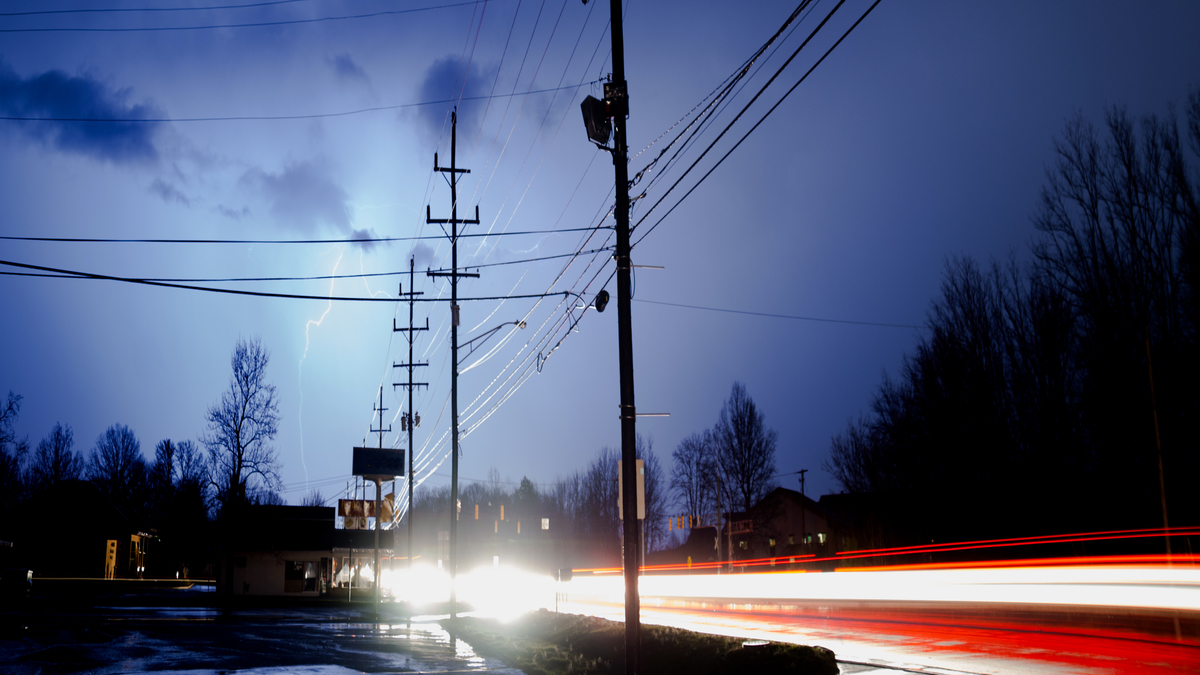
It is a fact that epileptic power supply remains the bane of Nigeria’s advancement.
On Tuesday, 22nd May 2018, President Muhammadu Buhari met with the members of the Buhari Support Organization (BSO) at the Presidential Villa, Abuja. The leader of BSO, Col. Hameed Ali, alleged that the former President, Chief Olusegun Obasanjo spent about $16 billion on the power project without much progress. This allegation has been in the public space for over a decade.

Concerned by the epileptic power situation, the Late President Umaru Musa Yar’Adua, made attempts to improve the situation. His administration spent $5.375bn on power, whilst his immediate successor Dr. Goodluck Jonathan spent $8.26 billion. Therefore, the country reportedly spent about $29.635bn to improve power supply. Rather than dwell on our failures and blames, it’s imperative for the country to concentrate on the way forward.
7000mW of epileptic power supply
The Nigeria power sector is presently yearning for rescue. If not rescued, the country will be a global case-study for power blackouts. So, It is then a concern that, in spite of the reputation as the giant of Africa, Nigeria is yet to exceed 7,000MW of electricity generation. Nations like Ghana, South-Africa, Iran, and South-Korea, among others can boast of much better generation volume up 50,000MW.
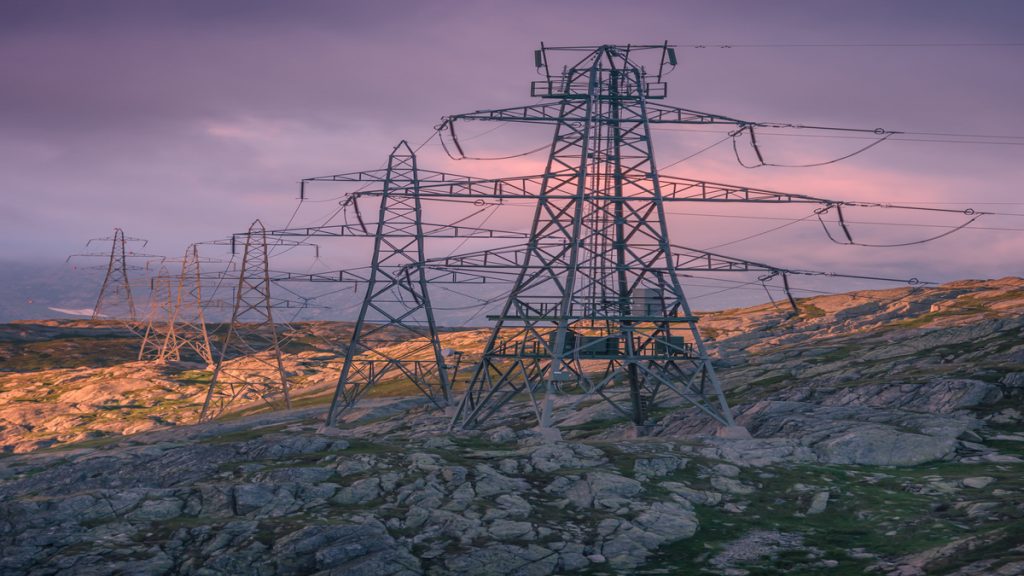
During the past administrations, Chief Obasanjo’s particularly, the Power Reform Act was introduced, which was aimed at dealing with epileptic power supply. Subsequently, National Electric Power Authority (NEPA) was changed to Power Holding Company of Nigeria (PHCN). Also, the NIPP was initiated. Following this, the administration of President Jonathan’s deregulated and unbundled the power sector into 3 main section; the generation, transmission, and distribution. This led to Public-Private Partnership (PPP); a measure that Nigerians thought would salvage the power industry.
Despite all these measures, the country’s power sector remained a concern. The various distribution firms, seem unable to handle customer interfaces and billing issues and the technical distribution challenges. Electricity consumers in Nigeria, regardless of locality, are faced with utility bills that are inconsitent with what they use.
The Sources of Power
For the generation side, they accuse the gas supply mechanism and supply chain. Such report is ridiculous and laughable in a country that can boast of many sources of power. Coal is a good feed. Similarly, biomass and wind are good renewable power sources. Besides, why is solar energy not a srong consideration? Many countries that cannot boast of good sunlight like africa are utilizing the solar mass for power generation. Nigeria is blessed with the four energy sources mentioned so far; but yet unutilized. The government of Nigeria must make deliberate efforts in other to deal with epileptic power supply.
Policies are at the heart of solving this problems. Therefore, the government must reduce dependence on the National grid. This is cumbersome. Region and zones has to be empowered to drive grids. Additionally, the policy around off-grid power generation can help solve the issues of epileptic power supply. Private must not be frustrated as this has been a concern of Geometric Power Limited situated in Aba.
What we can do
The Buhari administration will have to take a holistic approach that can ease the pressures of epileptic power supply on the economy.
What do think can be done?