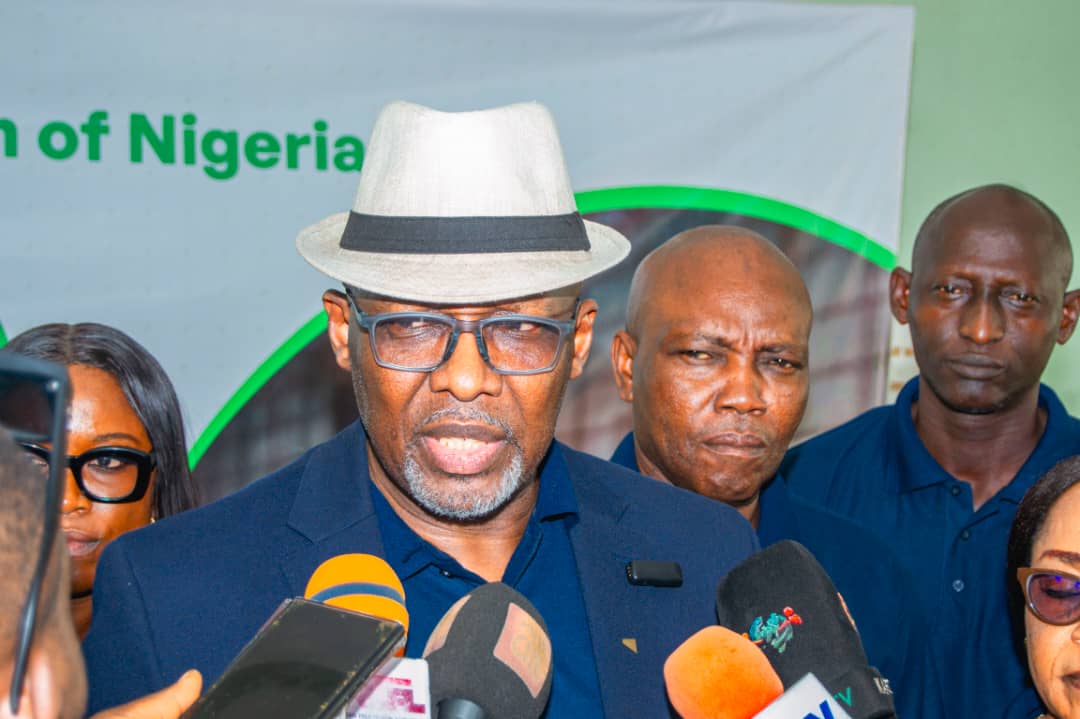
ABUJA— The Badminton Federation of Nigeria [BFN] concluded a two-day strategic retreat in Abuja on May 14, unveiling plans to expand the sport’s grassroots base, strengthen elite pathways and increase its economic footprint within Nigeria’s sports sector.
Held from May 13 to 14, the retreat gathered senior sports officials including National Sports Commission [NSC] Chairman Shehu Dikko, Nigeria Olympic Committee [NOC] President Habu Gumel, and BFN President Francis Orbih. Board members and technical officials also attended.
The sessions focused on drafting a four-year framework covering grassroots expansion, athlete development, technical training, gender inclusion, competition structures, sports business and athlete welfare.
Checkthese stories too





Dikko said the initiative aligns with the NSC’s Renewed Hope Initiative Framework, which requires federations to produce measurable, long-term plans. He stressed that sports development should extend beyond medals to create economic value, empower youth and build sustainable structures.
“You cannot isolate grassroots development from elite performance, technical growth, or sports business,” Dikko said. “Everything must grow together if sports is to become a strong contributor to the Nigerian economy.”
Gumel praised BFN’s leadership for raising the sport’s profile both domestically and internationally. He underscored the need for institutional continuity to sustain progress.
“Badminton is doing very well both in Nigeria and internationally,” Gumel said. “Federations must continue to build structures that will sustain progress, nurture talents, and ensure continuity.”
Orbih said the retreat was designed to align stakeholders behind a shared vision for the next four years. He outlined a holistic agenda covering player development, coaching, officiating, administration and financial sustainability, with a push to increase women’s participation at all levels.
“This retreat is about having strategic conversations that will give direction to the future of badminton in Nigeria,” Orbih said.
Technical Director Tunde Kazeem said the federation would strengthen coaching and officiating standards, expand its player database, and roll out structured age-grade competitions from Under-12 to senior level. He added that plans include more school programs, nationwide talent identification and hosting of national and continental events.
The retreat is expected to produce a detailed strategic framework to guide BFN’s competition calendar, talent identification system, technical development and international performance targets.