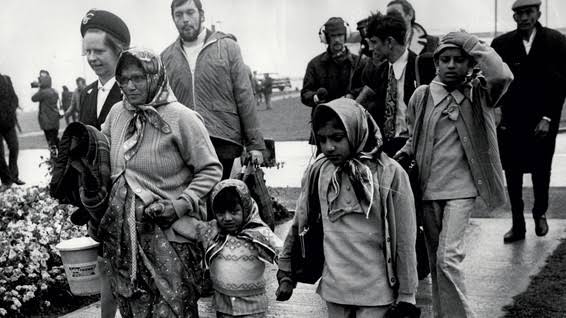
In early August 1972, the President of Uganda, Idi Amin, ordered the expulsion of his country’s South Asian minority. At that time, there were more than 80000 Asians (more of Indians) and Amin defended the expulsion by arguing that he was “giving Uganda back to ethnic Ugandans”.
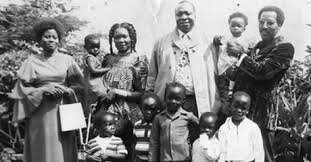
“I knew that this community can do wonders for my country and they have been doing it for the last many decades.”
Yoweri Museveni, a President of Uganda

Eviction
The exodus of Ugandan Asians took on a new level of urgency and most of them moved to the UK and other commonwealth countries. So, foreigners were evicted.



Before the EXPULSION, the Asians owned many large businesses that are very important to Uganda’s economy. In total, some 5655 firms, and ranches were REALLOCATED. Other assets relocated were farms, and agricultural estates including cars, homes and other household goods. At the time, the Asians owned 90% of the country’s businesses and accounted for 90% of Ugandan tax revenues.
The Ugandan economy FELL DEEP into a crisis. This happened under the strain of the expulsion of the Asians, the nationalization of certain industries, and the civil wars.
Uganda Economy
By 1987, President Yoweri Museveni had inherited an economy that suffered the poorest growth rate in Africa. But he had to get the Asians back. Thousands of RETURNED to Uganda after Yoweri Museveni criticized Idi Amin’s policies and invited them to RETURN. According to Museveni, “Gujaratis [Asians] have played a lead role in Uganda’s social and industrial development. I knew that this community can do wonders for my country and they have been doing it for the last many decades.”
The Gujaratis RESURFACED in Uganda and helped rebuild the economy of East Africa, and are financially well settled. Now, despite making up less than 1% of the population, the Asians are estimated to contribute up to 65% of Uganda’s tax revenues.